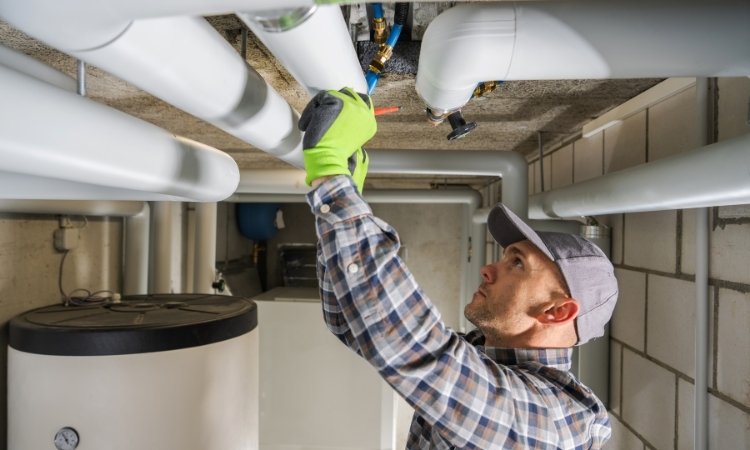
Plumbing problems can sneak up on any homeowner, often causing expensive repairs and inconvenience. From a leaking faucet to a burst pipe, plumbing issues are both frustrating and costly. Fortunately, many of these problems can be avoided with regular plumbing maintenance. By following a few simple tasks each month, quarter, and year, you can ensure your plumbing system stays in top shape and prevent larger issues down the road.
In Singapore, with its tropical climate and seasonal shifts, plumbing maintenance is even more crucial. High humidity, heavy rainfall, and fluctuating temperatures can wreak havoc on pipes, faucets, and water heaters if they are not properly maintained. Whether you’re a homeowner in Singapore or managing property in the region, staying on top of plumbing care is a wise investment that saves time, money, and stress.
Why Plumbing Maintenance is Essential for Homeowners
As a homeowner, you rely on your plumbing system to deliver clean water, remove waste, and maintain your daily comfort. But plumbing systems, just like any other part of your home, need regular care. Neglecting small issues today can lead to bigger, more expensive problems tomorrow. That’s why plumbing maintenance is key.
By performing routine inspections and maintenance tasks, you can catch issues early—before they become emergencies. For example, a small leak in a pipe or faucet might seem insignificant at first, but if left unchecked, it could lead to severe water damage, mold growth, or a burst pipe. Regular plumbing maintenance helps prevent costly repairs and ensures your plumbing system continues to run smoothly.
Additionally, in Singapore, the tropical climate exacerbates plumbing issues. High humidity can accelerate pipe corrosion, while heavy rainfall often leads to clogged drains and sewer backups. That’s why keeping up with plumbing maintenance is vital, especially in this environment.
Understanding Your Plumbing System: The Backbone of Your Home
Your plumbing system is one of the most critical components of your home, even though it’s often hidden from view. Understanding the basic parts of your plumbing system will help you recognize when something might be wrong.
A typical plumbing system includes:
- Water Supply Pipes: These bring fresh water into your home.
- Drain Pipes: These remove waste and wastewater from your home.
- Fixtures and Faucets: These are the visible parts of your plumbing, like sinks, toilets, and showerheads.
- Water Heater: Keeps your water at the desired temperature for bathing, cooking, or cleaning.
In Singapore’s humid climate, water heaters, faucets, and pipes are particularly prone to corrosion and wear. Annual checks on these parts can help identify early signs of rust or leaks, which are common problems in the region.
Understanding the role each part plays in your plumbing system and checking them regularly can help you prevent costly repairs. Regular maintenance ensures that your plumbing works as efficiently as possible.
Monthly Plumbing Maintenance Checklist: Simple Tasks for Peace of Mind
Regular monthly plumbing checks can help prevent minor issues from becoming costly repairs. By dedicating just a few minutes each month, homeowners can ensure their plumbing stays in top shape.
1. Check for Leaks in Faucets, Toilets, and Pipes
Small leaks can waste gallons of water and lead to significant water bills. Inspect all faucets, toilets, and pipes for drips or leaks. A simple test for toilets: put a few drops of food coloring in the tank. If the water in the bowl changes color, you have a leak that needs attention.
2. Inspect Water Pressure
High water pressure can put unnecessary strain on your plumbing system, leading to leaks and damaged fixtures. Test your water pressure with a pressure gauge and ensure it’s between 40 and 60 psi (pounds per square inch). If it’s too high or low, a plumber can install a pressure-reducing valve.
3. Clean Showerheads and Faucet Aerators
Mineral buildup from hard water can clog showerheads and faucet aerators, affecting water flow and pressure. Regularly clean these parts by soaking them in vinegar to remove mineral deposits and ensure your plumbing is functioning efficiently.
4. Test for Proper Drainage
Slow drainage in sinks, showers, or bathtubs can indicate clogs building up inside the pipes. Check your drains to ensure water is draining correctly. If you notice standing water or slow drainage, consider using a plunger or a drain snake to clear minor blockages. Regular cleaning of drains also helps prevent future issues.
5. Examine Garbage Disposal
Your garbage disposal works hard daily. Ensure it’s clean and functioning well by running cold water and occasionally grinding ice cubes to clean out debris. A well-maintained disposal prevents foul odors and keeps your kitchen plumbing in good shape.
Quarterly Plumbing Maintenance: Prevent Problems Before They Start
Regular plumbing maintenance every three months can help identify potential issues before they escalate into costly repairs. By addressing minor problems early, you can ensure your plumbing system remains in top condition year-round.
1. Check Under-Sink Pipes for Leaks
Under-sink pipes are vulnerable to leaks, especially in areas with high humidity. Inspect all exposed pipes under sinks for any signs of moisture or water stains. If you find any leaks, address them promptly to avoid water damage and mold growth.
2. Test Shut-Off Valves
Shut-off valves are essential for emergencies, such as a burst pipe or a leaking appliance. Check that all shut-off valves are functioning correctly by turning them on and off. If they’re difficult to turn or don’t completely shut off the water flow, they may need to be replaced.
3. Flush Your Water Heater
Sediment can build up in your water heater over time, especially in areas with hard water. Flushing your water heater every three months helps remove sediment buildup, which can improve efficiency and extend the lifespan of your unit. If you notice issues like inconsistent water temperature or strange noises from your water heater, it may be time to call a professional plumber for a more thorough inspection.
Bi-Annual Plumbing Maintenance: Protect Your Home Long-Term
Biannual plumbing maintenance is essential to keep your home’s plumbing system in top condition, preventing unexpected issues and costly repairs. Regular inspections every six months can identify potential problems early and extend the lifespan of your plumbing.
1. Clean and Inspect Sump Pumps
Sump pumps are crucial for keeping your basement dry, especially during heavy rains. Check your sump pump to ensure it’s operating correctly. Clean the pump to prevent debris buildup, and test it by pouring water into the pit to ensure it activates and drains water effectively.
2. Inspect Water Hoses on Appliances
Check the water hoses connecting your appliances, such as dishwashers, washing machines, and refrigerators. These hoses can wear out over time, especially if they’re made of rubber. If you notice cracks or bulges, it’s time to replace them before they burst and cause water damage.
3. Look for Hidden Leaks in Walls and Ceilings
Leaks can sometimes remain hidden in walls and ceilings, leading to significant damage if left unchecked. Look for water stains or discoloration on your walls or ceilings, especially near plumbing fixtures. If you suspect a hidden leak, contact a licensed plumber to perform a more in-depth inspection.
Professional Plumbing Inspections: The Annual Essential
While monthly and quarterly tasks are essential for maintaining your plumbing system, some inspections require professional expertise. An annual plumbing inspection by a licensed plumber can identify issues that may not be visible to the untrained eye.
- Sewer System Check: A professional plumber can inspect your sewer system for any signs of blockage or damage. Regular sewer inspections can help prevent costly repairs like sewer line replacements or backups.
- Inspect External Plumbing: Singapore’s tropical climate can affect outdoor plumbing, such as garden pipes and sprinkler systems. An annual inspection of these areas can prevent leaks and clogs.
Seasonal Plumbing Maintenance: Adapting to Weather Conditions
In Singapore, the tropical climate poses unique challenges for homeowners when it comes to plumbing maintenance. The combination of high humidity, heavy rainfall, and fluctuating temperatures can affect your plumbing system. Therefore, seasonal plumbing maintenance is essential to avoid damage and ensure that your plumbing functions effectively year-round.
1. Preparing Plumbing for Wet Seasons: Protecting Pipes from Freezing
While freezing temperatures may not be a concern in Singapore’s tropical climate, the constant exposure to high humidity and heavy rainfall can cause pipes to rust, corrode, or leak. It’s essential to take a few precautions during the wet season to prevent water damage:
- Inspect Pipe Insulation: Check if the exposed pipes in your kitchen, bathroom, and outdoor areas are adequately insulated. In areas where the pipes are more exposed to moisture, such as under sinks or along external walls, ensure they are protected against rust.
- Clean Gutters and Downspouts: Ensure gutters and downspouts are free from debris so water can flow away from the foundation and prevent blockages that could damage plumbing systems. Clean them regularly to avoid clogs that can lead to standing water and potential flooding.
- Backflow Prevention Devices: High rainfall can overwhelm sewer systems, leading to sewage backflows. Installing or maintaining a backflow prevention device in your drainage system prevents waste from flowing back into your home, protecting your plumbing from contamination.
2. Preparing Plumbing for Dry Seasons: Managing Water Usage
The dry season in Singapore increases water usage, as homeowners use more water for gardening, cooling systems, and general consumption. It’s essential to be mindful of this increase and manage your plumbing to avoid issues:
- Inspect Water Heaters: The dry season often leads to increased hot water use, so ensure your water heaters are working efficiently. Flushing it out annually removes sediment that may have built up over time, improving its efficiency.
- Maintain Your Water Pressure: During dry periods, the water pressure might fluctuate. Regularly test the pressure, especially before using large amounts of water for gardening or filling pools, as lower pressure can result in poor water flow.
Preventive Measures to Avoid Plumbing Issues: Smart Strategies for Homeowners
Preventive maintenance is one of the best ways to save money on plumbing repairs. Addressing potential problems early can prevent costly issues down the line. Here are a few proven preventive measures to avoid plumbing issues before they occur:
1. Regular Drain Cleaning
Clogs are among the most common plumbing problems homeowners face, and they’re often avoidable with regular drain cleaning. Over time, grease, soap, hair, and food particles build up in drains, leading to blockages. Regularly cleaning your drains helps prevent these blockages, keeping your plumbing running smoothly.
- DIY Cleaning Tips: Use a mixture of vinegar and baking soda to clear minor clogs. Pour it down the drain, wait for about 30 minutes, then flush with hot water. This natural solution can help clear buildup and prevent slow drains.
2. Use Enzyme-Based Cleaners
While chemical drain cleaners are harsh and can damage pipes, enzyme-based cleaners are safe for your plumbing and the environment. These cleaners break down organic matter inside the pipes, preventing blockages from forming. They’re an excellent preventive tool to keep your drains clear and free of clogs.
3. Proper Use of Garbage Disposal
Your garbage disposal is designed to handle food scraps, but not all waste is suitable for disposal. Avoid putting fibrous vegetables, bones, or grease down the disposal, as they can cause clogs or damage the unit. Run cold water while using the disposal to prevent food from sticking to the blades. Periodically grind ice cubes to clean the disposal and keep it running efficiently.
Troubleshooting Common Plumbing Issues: DIY Solutions vs. Professional Help
While regular maintenance can prevent many plumbing issues, some problems still occur unexpectedly. Knowing when to tackle a problem yourself and when to call a professional plumber is crucial. Here’s a guide to common plumbing issues and how to address them:
1. Handling Minor Leaks and Drips: DIY Guide
A dripping faucet may seem like a minor inconvenience, but it can waste significant amounts of water over time. Fixing a leaking faucet is often a simple task for homeowners:
- How to Fix a Leaking Faucet: Turn off the water supply, disassemble the faucet, replace the worn-out washer or cartridge, and reassemble. If you’re unsure, you can find guides for various types of faucets online.
- When to Call a Plumber: If you’ve tried fixing the leak and it persists, or if there are leaks inside the walls, it’s time to call a licensed plumber. They’ll be able to identify hidden leaks or issues that may require pipe replacement.
2. Unclogging Drains: Effective Techniques for Homeowners
Clogged drains are a common issue, but they don’t always require professional intervention. Here are a few DIY methods you can try before calling a plumber:
- Plunger: For a clogged toilet or sink, start by using a plunger. Make sure the plunger is the right size for the drain and create a strong seal before pumping.
- Drain Snake: For stubborn blockages deeper in the pipe, a drain snake can reach the clog and dislodge it.
- When to Call a Plumber: If the clog doesn’t clear after using a plunger or snake, it may be due to a more severe blockage or pipe damage, and you’ll need professional help.
3. Dealing with Running Toilets
A running toilet is not only annoying but can also lead to higher water bills. The most common cause is a faulty flapper valve.
- How to Fix a Running Toilet: Shut off the water supply to the toilet, remove the tank lid, and check the flapper for wear. If it’s damaged, replace it. You can find replacement parts at most hardware stores.
- When to Call a Plumber: If the running toilet persists even after replacing the flapper, there may be an issue with the flush valve or other internal parts. A professional plumber can diagnose and fix the problem.
How to Create a Personalized Plumbing Maintenance Schedule
Having a customized plumbing maintenance schedule ensures that you stay on top of your plumbing needs year-round. A well-organized maintenance plan will help you track tasks and avoid overlooking essential inspections. Here’s how to create your plumbing maintenance schedule:
1. Identify Key Areas to Check
Start by making a list of key plumbing components that need regular attention:
- Water Supply Pipes: Check for leaks or signs of corrosion.
- Drain Pipes: Ensure they’re clear and free from clogs.
- Water Heaters: Flush to remove sediment and ensure efficiency.
- Faucets and Fixtures: Check for leaks and wear.
2. Set Reminders for Regular Tasks
Set reminders on your phone or in a digital calendar for monthly, quarterly, and annual tasks. Consider using an app or a simple spreadsheet to track when you’ve completed each task.
3. Track Repairs and Replacements
Keep a maintenance log of any plumbing repairs or replacements. This will help you monitor the lifespan of plumbing components and make it easier to plan for future maintenance or upgrades.
FAQs
How often should I replace my water heater?
Water heaters typically last 10-15 years, depending on usage and maintenance. It’s recommended to have it inspected annually and flushed every few years to extend its life.
Can I handle plumbing maintenance myself, or do I need a pro?
Simple tasks like checking for leaks, cleaning drains, and inspecting faucets can be done by homeowners. However, for complex issues like sewer line inspections or significant repairs, it’s best to call a licensed plumber.
What are the warning signs of a water pipe leak?
Common signs include damp walls, ceilings, or floors; the smell of mildew or mold; or a sudden increase in your water bill. If you notice these signs, it’s essential to have a professional inspect your plumbing.
Keeping Your Plumbing in Top Shape for Long-Term Savings
Plumbing maintenance might seem like an ongoing task, but the effort you put into regular checks and maintenance can save you thousands in repairs and prevent plumbing disasters. A little attention each month, quarter, and year can go a long way in protecting your plumbing system and ensuring the comfort of your home.
If you need professional plumbing services in Singapore, Plumber Singapore is here to help. Our licensed plumbers offer expert inspections, maintenance, and repairs to keep your plumbing system running smoothly. Contact us today for all your plumbing needs!