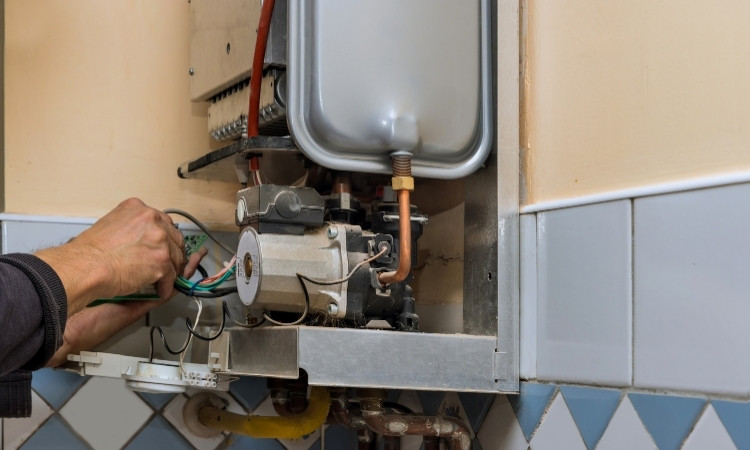
Plumbing problems are a common headache for homeowners in Singapore, especially with the high humidity and aging infrastructure that many properties face. Whether it’s a leaking faucet, a clogged drain, or low water pressure, these issues can disrupt your daily life and lead to expensive repairs if left unchecked. Fortunately, with proper knowledge and regular maintenance, many plumbing issues can be avoided or fixed before they become significant problems. We’ll discuss the most common plumbing issues in Singapore, provide expert advice on how to prevent them, and guide you through quick fixes and preventive measures to keep your plumbing system in top shape.
Common Plumbing Problems in Singapore Homes
Leaky Faucets and Pipes
Leaky faucets and pipes are some of the most common and annoying plumbing issues in Singapore. A constant drip from a faucet may seem harmless, but over time, it can lead to water wastage and higher utility bills. The same goes for leaking pipes, which, if left unaddressed, can cause significant water damage to walls, ceilings, and flooring.
Common Causes:
- Worn-out washers and O-rings: Over time, the rubber washers and O-rings in faucets degrade, causing leaks.
- Corrosion: Pipes, especially older ones, may develop small cracks or holes, leading to slow leaks.
Suggested Fixes:
- Turn off the water supply before attempting any repair to avoid a mess.
- Replace washers and O-rings in faucets. If you’re dealing with a leaking pipe, pipe repair tape can provide a temporary fix until professional help arrives.
Prevention Tips:
- Regularly inspect faucets and pipes for signs of wear and tear.
- Always check your plumbing during seasonal changes, especially after the wet monsoon season, when increased humidity can weaken pipes.
For more extensive plumbing repairs or if you’re unsure how to fix a pipe, it’s best to contact a licensed plumber to prevent further damage.
Clogged Drains and Sink Chokes
Clogged drains are an all-too-common problem, particularly in kitchens and bathrooms. Drains in Singapore homes are prone to clogging due to hair, soap, grease, and food particles. A slow-moving drain can lead to water pooling around your sink, creating a nuisance and potential breeding ground for bacteria.
Common Causes:
- Hair and soap residue: In bathrooms, hair mixed with soap scum is a major contributor to clogged drains.
- Food waste and grease: Kitchen sinks often become blocked when grease, food scraps, or oil are poured down the drain.
Suggested Fixes:
- Plungers work well for minor blockages. For more stubborn clogs, try using baking soda and vinegar to break down organic matter.
- Drain snakes can help clear deeper blockages. If the clog persists, it’s time to call a professional plumber for further investigation.
Prevention Tips:
- Install drain strainers to catch hair and food scraps before they go down the drain.
- Avoid pouring grease or oil down the kitchen sink, as it can solidify over time and cause major blockages.
For effective drain cleaning services, Plumber Singapore offers expert solutions to keep your drains free-flowing and clog-free
Running Toilets
A running toilet can waste a lot of water, leading to higher utility bills and unnecessary environmental impact. If you notice your toilet constantly running, it’s usually due to a faulty flapper valve or fill valve, both of which are essential components in regulating water flow.
Common Causes:
- Faulty flapper valve: The flapper valve may not seal properly, allowing water to flow into the toilet bowl continuously.
- Malfunctioning fill valve: If the fill valve isn’t working correctly, it may fail to stop water from entering the tank once it’s full.
Suggested Fixes:
- Adjust the float or replace the fill valve if necessary. Replacing the flapper valve may solve the problem in many cases.
Prevention Tips:
- Regularly check your toilet components to ensure they are functioning properly.
- Use a professional plumber to replace old components, as improper installation can lead to future issues.
If you’re unsure how to fix your running toilet or need help sourcing parts, our toilet repair services can handle everything for you.
Low Water Pressure
Low water pressure is a common issue in many Singaporean homes, especially in older buildings where pipes may have corroded or become clogged with mineral deposits. Low pressure can make simple tasks, like taking a shower or washing dishes, frustrating and time-consuming.
Common Causes:
- Mineral deposits: Over time, minerals from hard water can build up inside pipes, restricting water flow.
- Corroded pipes: In older buildings, pipes can corrode, leading to uneven water flow or reduced pressure.
Suggested Fixes:
- Clean faucet aerators and showerheads regularly to ensure water flows freely.
- Flush your water heater to remove any sediment buildup, which can block water flow.
Prevention Tips:
- Install a water softener if you live in an area with hard water to prevent mineral buildup.
- Regularly inspect your plumbing to identify any potential corrosion or pipe damage early.
Water Heater Issues: Cold Showers, Anyone?
A malfunctioning water heater can be a major inconvenience, especially in Singapore’s humid climate, where reliable hot water is crucial for showers and daily tasks. If your water heater isn’t producing hot water or its temperature is fluctuating, it’s essential to address the issue quickly.
Common Causes:
- Sediment buildup: Over time, minerals and debris from the water supply accumulate in the tank, reducing the heater’s efficiency.
- Thermostat issues: A malfunctioning thermostat can cause inconsistent water temperatures.
Suggested Fixes:
- Flush your water heater annually to remove sediment buildup and improve performance.
- Check the thermostat and adjust or replace it if necessary.
Prevention Tips:
- Schedule regular water heater maintenance to ensure it’s functioning efficiently.
- Replace old heaters that are showing signs of wear and tear, as they are more prone to malfunctions.
If your water heater is beyond repair or needs a more extensive fix, don’t hesitate to call our team at Plumber Singapore for an assessment and reliable water heater solutions.
Preventative Measures for Plumbing Problems
Proper plumbing maintenance can save homeowners significant time, money, and stress. Regular upkeep and simple habits can prevent common plumbing issues from escalating into expensive or disruptive problems.
1. Proper Drain Maintenance: Avoiding Clogs
Clogged drains are among the most common and frustrating plumbing problems in Singapore. Over time, hair, grease, soap, and food particles can build up in your pipes, leading to slow drainage, unpleasant odors, or even complete blockages. Routine maintenance is key to preventing these issues.
Tips for Drain Maintenance:
- Regularly clean drains: Use a natural cleaner like baking soda and vinegar to break down buildup and keep your pipes clear. Pouring hot water down the drain every few weeks can also help to keep grease from solidifying.
- Avoid pouring grease, oil, or food scraps down the kitchen sink, as they can easily clog the pipes over time. Always dispose of grease and food waste in the trash.
- Use drain strainers in kitchen and bathroom sinks to catch hair, food particles, and other debris before they enter the drain.
Best Practices:
- Schedule professional drain inspections: Even if your drains appear to be functioning well, it’s a good idea to have a professional plumber inspect your system annually. A plumber can catch potential problems early and clear out any hidden blockages before they cause issues.
For more information on maintaining your drains and avoiding blockages, Plumber Singapore offers professional drain cleaning and maintenance services to keep your pipes flowing smoothly.
2. Inspecting Faucets and Pipes
Regular inspection of faucets and pipes is essential to prevent leaks, rust, and damage that can lead to costly repairs. Faucets, in particular, can wear out over time due to constant use, and pipes may corrode or crack, especially in older buildings.
Tips for Inspecting Faucets and Pipes:
- Look for leaks: Check faucets, showerheads, and under-sink pipes for any signs of leakage. Small drips may seem harmless, but can lead to wasted water and increased utility bills.
- Inspect for rust: Rust on pipes or faucets is a sign of corrosion and can lead to weakening and eventual failure of the pipes. If you notice rust, it’s a sign that the pipe may need to be replaced soon.
- Check for signs of wear: Over time, washers, seals, and gaskets in faucets can wear down, leading to leaks or reduced performance. Make it a habit to check these components periodically.
When to Replace Faucets and Pipes:
- Faucets: If your faucet is difficult to turn or has started leaking despite replacing washers, it might be time for a replacement. Likewise, if the faucet shows signs of corrosion, it’s best to replace it to avoid water damage.
- Pipes: If you notice any leaks, water discoloration, or reduced water pressure, your pipes may need repair or replacement. Older pipes, particularly metal ones, should be replaced every 20-30 years to avoid issues like leaks or bursts.
3. Maintaining Water Heaters
Water heaters are an essential part of every home, especially in Singapore’s hot and humid climate. Even though they provide a vital service, many homeowners neglect proper maintenance, leading to issues such as inconsistent water temperature or even complete breakdowns.
Cleaning Your Water Heater:
- Flush your water heater annually to remove sediment buildup. Sediment can accumulate at the bottom of the tank, reducing its efficiency and lifespan. Flushing the tank removes this buildup and improves water heater performance.
- Check the heating elements to ensure they are functioning correctly. If your water heater is producing lukewarm water instead of hot water, the heating element may be faulty and need to be replaced.
Thermostat Checks:
- Ensure proper temperature settings: Water heaters should be set to about 60°C (140°F) to prevent scalding while maintaining energy efficiency. Setting it too high can increase the risk of burns, while setting it too low can result in inefficient heating.
- Inspect the thermostat periodically to ensure it’s working correctly. If the thermostat is malfunctioning, your water heater may not maintain a consistent temperature.
For regular water heater maintenance and repairs, we provides expert services to ensure your water heater runs efficiently and lasts longer.
4. Toilet and Drainage System Maintenance
Toilets and drainage systems are often taken for granted, but neglecting them can lead to clogs, overflows, and unpleasant odors. Regular maintenance helps to ensure that toilets flush properly and drains are clear of debris.
Preventing Overflows:
- Regular flushing: Frequent flushing helps keep the components in good working order. However, always be mindful not to flush non-flushable items, such as wipes, sanitary products, or paper towels.
- Inspect toilet seals and valves: Over time, the seals around your toilet base can degrade, leading to leaks. Also, the flush valve and fill valve should be checked for proper function to avoid water wastage.
Drainage Health:
- Use enzyme-based cleaners to clear out organic buildup in your drains. These cleaners are eco-friendly and break down waste materials without harsh chemicals.
- Check for blockages: If your toilet or drains are not functioning correctly (e.g., slow flushing, gurgling noises), it could indicate a blockage further down the line.
Prevention Tips:
- Routine inspections: Regularly check the condition of your toilet components and pipes to prevent sudden failures or leaks.
- Timely repairs: Address minor issues such as slow flushing or running toilets immediately before they become more serious.
When to Call a Professional Plumber
While many plumbing issues homeowners can address with DIY methods, there are times when professional assistance is necessary. Knowing when to call a plumber can save you time and money and prevent more serious damage to your home.
1. Signs That You Need Professional Help
Emergencies:
- Burst pipes: If you have a burst pipe, immediate action is needed to avoid flooding and significant water damage. Turn off the water supply and contact a plumber for emergency repair services.
- Severe leaks: If you notice large leaks that cannot be fixed with DIY methods, it’s best to call a plumber to prevent further damage to your home’s structure.
- Sewage backups: A sewage backup is a serious issue that can lead to health risks. If you notice foul smells, backed-up toilets, or water coming up from drains, call a plumber immediately.
- Flooding: If your home is flooding due to a plumbing issue, professional help is needed to mitigate the damage and find the source of the problem.
Persistent Problems:
- Recurring clogs: If your drains are constantly clogging despite regular maintenance, the problem may be deeper in the plumbing system and require a professional plumber to inspect and resolve.
- Strange smells: Persistent foul odors coming from your drains or pipes may indicate a serious issue, such as a sewer line blockage or a buildup of organic material that requires professional cleaning.
- Water discoloration: If you notice rust-colored water or other discolorations, it could indicate corroded pipes or issues with your water supply that require professional attention.
For emergencies or persistent plumbing issues, Plumber Singapore offers quick and reliable plumbing services to handle everything from burst pipes to sewer backups.
2. The Role of Professional Plumbers in Preventive Maintenance
Benefits of Having a Licensed Plumber Perform Annual Checks:
- Expertise: Licensed plumbers have the knowledge and experience to identify hidden plumbing issues that an untrained eye may miss. They can spot potential problems early, saving you from costly repairs later.
- Comprehensive inspection: During an annual check, a plumber will inspect your entire plumbing system, including pipes, drains, faucets, and water heaters. This thorough approach ensures that everything is in good working order.
Plumbing Tools Every Singaporean Home Should Have
Having the right tools on hand can make a significant difference when it comes to DIY plumbing repairs. Whether it’s fixing a leaky faucet or clearing a clogged drain, having basic plumbing equipment readily available allows homeowners to make quick fixes and avoid unnecessary delays. Below are some essential plumbing tools every home in Singapore should have, along with tips on when and how to use them.
1. Plunger
A plunger is a must-have tool for every home, especially for unclogging toilets, sinks, or shower drains. This simple yet effective tool works by forcing air and water through pipes, helping to dislodge blockages. Its design typically includes a rubber cup or flange that creates a seal around the drain opening, allowing the user to apply pressure to the clog. The force created by the plunger helps move debris and clear the blockage, making it an essential tool for quick, DIY fixes. Whether you’re dealing with a minor toilet blockage or a slow-draining sink, a plunger is often the first tool to reach for.
2. Pipe Wrench
A pipe wrench is specifically designed for gripping and turning pipes, making it essential for plumbing tasks such as tightening or loosening pipe connections. It provides strong, adjustable jaws that provide a secure grip on pipes, helping prevent damage when turning or adjusting them. Whether you’re installing new pipes or making repairs, the pipe wrench’s torque capability makes it ideal for jobs that require firm pressure. This tool is handy for connecting water supply lines and plumbing fixtures, ensuring that pipes are secure and properly tightened.
3. Adjustable Spanner (or Crescent Wrench)
An adjustable spanner, also known as a crescent wrench, is a versatile and essential tool for various plumbing tasks. Its adjustable jaw allows it to fit a range of bolt and nut sizes, making it highly adaptable for tasks like tightening or loosening plumbing fittings. This tool is handy in tight spaces where other wrenches may not fit. Whether you’re working with faucet connections, pipe fittings, or other plumbing components, the adjustable spanner gives you the flexibility to tackle a wide range of plumbing challenges, making it a valuable addition to your toolkit.
4. Pipe Sealant Tape (Teflon Tape)
Pipe sealant tape, commonly referred to as Teflon tape, is crucial for creating leak-proof connections in threaded pipe joints. When you install or tighten pipes, wrapping Teflon tape around the threads before connecting the fittings prevents water from escaping through the threaded joints. This tape is commonly used for faucet installations and other plumbing connections that involve threaded joints. The tape’s design helps form a watertight seal, preventing leaks and ensuring that your plumbing system functions smoothly. It’s a simple, effective solution to avoid water damage from faulty connections.
5. Drain Snake (Plumbing Auger)
A drain snake, or plumbing auger, is a long, flexible tool that is invaluable for clearing stubborn blockages deep within pipes. Unlike a plunger, which works on surface-level clogs, a drain snake is designed to reach further into the pipe, breaking up and removing clogs caused by hair, grease, food, or other debris. This tool is handy for more challenging clogs that resist plunging, keeping your drains clear and functional. By inserting the snake into the drain and turning it to break up the obstruction, the drain snake provides a reliable way to tackle persistent blockages, preventing the need for more invasive plumbing work.
Frequently Asked Questions (FAQ)
How often should I inspect my plumbing system in Singapore?
Regular plumbing inspections should be conducted at least once a year, especially for older properties. Homeowners should check for leaks, rust, or signs of wear and tear on pipes, faucets, and water heaters.
What should I do if I find a burst pipe?
If you find a burst pipe, immediately turn off the water supply to prevent flooding and further damage. Then, contact a licensed plumber as soon as possible for repairs. If you cannot locate the water shut-off valve, you may need to turn off the main water supply to the property.
How do I prevent my water heater from breaking down?
To prevent your water heater from breaking down, you should flush the tank annually to remove sediment buildup. Check the thermostat settings regularly to ensure the water temperature is not set too high.
Can I fix a running toilet myself?
Yes, a running toilet can often be fixed by replacing the flapper valve or fill valve, which are common causes of water wastage. If you’re unsure, it’s always a good idea to consult a professional plumber for advice or assistance.
How do I handle plumbing emergencies outside of business hours?
In the event of a plumbing emergency outside regular business hours, it’s essential to have a trusted emergency plumber you can call. Plumber Singapore offers 24/7 emergency plumbing services, ensuring prompt help whenever you need it.
Ensuring Smooth Plumbing for Your Singapore Home
Maintaining your home’s plumbing system is crucial for avoiding costly repairs and ensuring that everything runs smoothly. Regular inspections, simple maintenance tasks, and knowing when to call a professional can keep your plumbing in top condition.
If you’ve taken the time to check your pipes, drains, and water heater, you’ll likely avoid many of the common problems that homeowners face. But remember, when you encounter a serious issue like a burst pipe or clogged sewer line, it’s always best to call in a professional plumber for safe, effective repairs.
Need expert help with your plumbing issues? Contact Plumber Singapore for fast, reliable plumbing services. Whether you need emergency repairs or routine maintenance, we’ve got you covered with professional, licensed plumbers you can trust.