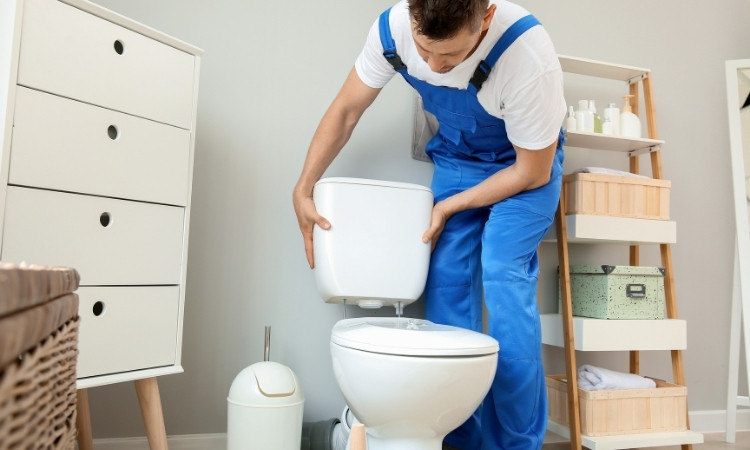
If you’ve ever noticed droplets of water collecting on the outside of your toilet tank, you’re not alone. This common issue, known as toilet tank condensation, can be frustrating and even damaging if left unchecked. In Singapore’s hot, humid climate, toilet tank condensation is particularly prevalent, leading to water damage, mold growth, and even long-term floor rot. Luckily, there are simple and effective ways to address the problem, both through preventive measures and permanent fixes.
We will discuss the causes of toilet tank condensation, explore prevention methods, and highlight permanent fixes that will help protect your bathroom and home from moisture-related damage. Whether you’re dealing with a sweating toilet or just want to prevent it from happening in the future, this guide will provide you with the knowledge and solutions you need.
What is Toilet Tank Condensation?
Toilet tank condensation is the formation of water droplets on the exterior of your toilet tank, often called “sweating.” This occurs when warm, humid air in your bathroom comes into contact with the cold surface of the toilet tank. As the temperature difference between the tank’s surface and the room air increases, moisture in the air condenses onto the tank, much as a cold glass of water sweats on a hot day.
Symptoms of Toilet Tank Condensation
You might notice the following signs of condensation:
- Water droplets are forming on the exterior of the tank.
- Dampness or water pooling around the base of the toilet.
- Visible signs of water damage on the floor or surrounding surfaces, such as mold or mildew.
While this might seem like a minor issue at first, over time it can lead to more serious problems, such as water damage, mold growth, or bathroom rot.
Why Does Toilet Tank Condensation Happen?
Understanding why condensation occurs can help you identify practical solutions. The core reason is the difference in temperature between the cold water inside the tank and the warmer, more humid air in the bathroom.
Temperature Difference Between Water and Bathroom Air
The water in your toilet tank is typically much cooler than the surrounding air. When hot, humid air in the bathroom comes into contact with the cold tank, the moisture in the air condenses into droplets on the tank’s surface.
High Humidity in Singapore
Singapore’s tropical climate is characterized by high humidity, which makes condensation even more common. Humidity can range from 60% to 90% throughout the year, creating the perfect conditions for water vapor to condense on cold surfaces.
Poor Bathroom Ventilation
Bathrooms, especially those without proper ventilation, tend to trap moisture in the air. Without sufficient airflow, this moisture can’t escape, leading to higher humidity that exacerbates condensation.
Faulty Insulation in Toilet Tanks
Older toilets or poorly insulated tanks are more likely to develop condensation. Insulation helps maintain the tank water’s temperature and prevents moisture from forming on the outside.
Is Toilet Tank Condensation Normal in Singapore Homes?
Yes, toilet tank condensation is quite normal in Singapore, especially during the hotter and more humid months. The tropical climate plays a significant role in this phenomenon, and most homes in Singapore experience some condensation on toilet tanks.
Common in Humid Climates
In humid climates like Singapore, condensation is more of a result of environmental factors rather than a plumbing problem. However, it’s essential to address it early to prevent potential water damage or mold growth.
Not a Serious Plumbing Issue Initially
Toilet tank condensation by itself isn’t usually a significant concern, but when left unaddressed, it can lead to bigger problems like:
- Water damage to bathroom floors, walls, and other surfaces.
- Mold and mildew growth around the tank or in the surrounding bathroom area.
- Rust and corrosion may weaken the plumbing system.
While condensation itself is not a plumbing issue, it can lead to plumbing-related problems if moisture persists and causes damage to your bathroom’s structure.
How to Prevent Toilet Tank Condensation in Singapore Homes
Fortunately, there are several ways to reduce or completely prevent toilet tank condensation. Let’s take a look at some of the most effective methods:
1. Improving Bathroom Ventilation
Proper ventilation is crucial for reducing humidity levels and preventing condensation. Without it, moisture will remain in the air and settle on surfaces, such as your toilet tank.
Install a Bathroom Exhaust Fan
Installing a bathroom exhaust fan can help remove excess humidity from your bathroom and improve airflow. Ensure the fan is adequately sized for the space and runs for at least 20 minutes after each shower to ensure the air is properly circulated.
Open Windows and Use Ventilation
When possible, open windows to let fresh air in and help release trapped humidity. In areas where it’s not feasible to open windows, consider using ventilation fans or fan timers that run automatically after use.
Keep Bathroom Door Closed During Showers
Leaving the bathroom door ajar can allow moisture to spread throughout your home. Closing the door while showering helps keep humidity confined to the bathroom.
2. Install a Dehumidifier
Another effective way to combat bathroom humidity is by using a dehumidifier. These devices work by pulling moisture from the air, thereby reducing the room’s overall humidity. A dehumidifier is particularly useful in smaller bathrooms or homes with poor natural ventilation.
3. Reduce Humidity with Bathroom Plants
Plants such as peace lilies or bamboo palms can help absorb moisture from the air and purify the space. While plants alone won’t solve the problem, they can be a helpful complement to other humidity-reducing methods.
4. Use a Drip Tray
A drip tray placed under your toilet tank can help catch any moisture that escapes. This is a simple solution to prevent water from accumulating on the floor and causing long-term damage.
5. Insulate Your Toilet Tank
Proper tank insulation is one of the most effective ways to prevent condensation. By insulating your toilet tank, you create a barrier between the cool water inside the tank and the warm, humid air in the bathroom.
Types of Toilet Tank Insulation
- Foam tank liners: Easy to install and offer a good level of insulation.
- Insulated tank wraps: Available in various materials and can be applied directly to the tank’s exterior.
For long-term condensation control, investing in an insulated toilet tank or using a tank lining kit will provide the best results.
Permanent Fixes for Toilet Tank Condensation
While prevention is key, some permanent fixes can help eliminate the problem. Plumber singapore solutions are beneficial if your toilet tank continues to experience persistent condensation despite standard measures.
Install an Anti-Sweat Valve
An anti-sweat valve, also known as a mixing valve, regulates the temperature of the water entering your toilet tank. It blends hot and cold water to maintain a consistent temperature, reducing the temperature difference between the water and the air and preventing condensation.
Replace Your Toilet Tank (If Necessary)
If your toilet is old or the tank is beyond repair, replacing it with a newer model that features built-in insulation could be the best long-term solution. Modern toilets are designed to be more efficient and better insulated, which can help prevent condensation from forming in the first place.
What Are the Risks of Ignoring Toilet Tank Condensation?
While toilet tank condensation may seem like a minor issue, ignoring it can lead to problems that go beyond an aesthetic nuisance. Over time, moisture accumulation can cause significant damage to your bathroom and even your home’s structural integrity. Here are some of the risks associated with unchecked toilet tank condensation:
1. Mold and Mildew Growth
When condensation continually forms around your toilet tank, it creates the perfect environment for mold and mildew to thrive. Mold spores thrive in warm, damp environments, and excess moisture from condensation can lead to mold growth on walls, ceilings, and floors. Mold not only damages surfaces but also poses health risks, including respiratory issues and allergic reactions.
- Prevention Tip: Regularly clean your bathroom to remove any mold and mildew. Using anti-mold sprays and keeping humidity levels low can help prevent this issue.
2. Water Damage to Floors and Walls
Condensation on the toilet tank may eventually pool around the base of the toilet, damaging the flooring. Over time, water seepage can cause wooden subfloors to rot and tile grout to deteriorate, leading to costly repairs. Additionally, water can damage surrounding walls, causing them to peel or warp.
- Prevention Tip: Use a drip tray to catch water droplets that may accumulate around the base of the toilet. Also, ensure your bathroom is properly sealed to prevent water infiltration.
3. Rust and Corrosion
Excess moisture in the air, particularly around your toilet tank, can cause rust and corrosion of the metal parts inside the tank, such as the flushing mechanism and tank bolts. Rusting can eventually cause leaks or damage the entire plumbing system, leading to further issues that require professional repair.
- Prevention Tip: Regularly inspect the components inside the toilet tank. Using a dehumidifier and installing pipe insulation around exposed pipes can help reduce moisture in the air and prevent rust buildup.
4. Increased Utility Bills
In some cases, persistent condensation can indicate that your toilet tank is not functioning as efficiently as it should. For example, if your toilet tank is constantly sweating, it could mean that your water supply is being over-chilled or that there are inefficiencies in your plumbing system. This could lead to higher water usage and, in turn, increased utility bills.
- Prevention Tip: Consider replacing your toilet with a low-flow toilet, which uses less water per flush and reduces the strain on your water system. Additionally, check for leaky flapper valves that could cause unnecessary water wastage.
FAQs:
1. How Do I Know if My Toilet Tank is Causing Too Much Condensation?
If you notice water regularly dripping down the sides of your toilet tank or pooling around the base, condensation is likely the cause. The telltale signs include
- Droplets of water are forming on the exterior of the tank.
- Dampness or water pooling around the toilet.
- Water damage on the floor or walls near the toilet.
2. Can Condensation Affect the Plumbing System?
While condensation itself doesn’t directly affect the plumbing system, the water damage and rust it causes can lead to plumbing issues over time. For instance, rusted parts in the toilet tank can cause leaks, and water damage to floors may require plumbing repairs.
3. What is the Most Cost-Effective Way to Prevent Toilet Tank Condensation?
The most cost-effective way to prevent condensation is by improving ventilation and insulation in your bathroom. Simple solutions like installing a bathroom exhaust fan, keeping the bathroom door closed, and adding a drip tray can make a significant difference.
4. Is It Safe to Install Insulation on My Toilet Tank?
Yes, installing insulation on your toilet tank is a safe and effective way to prevent condensation. Using foam tank liners or an insulated wrap helps keep the water inside the tank at a consistent temperature, reducing the likelihood of moisture forming on the outside of the tank.
5. How Can I Prevent Mold and Mildew in My Bathroom?
Preventing mold and mildew in your bathroom comes down to controlling the humidity levels and improving airflow. Regularly use a dehumidifier to keep moisture levels in check, and ensure your bathroom is well-ventilated with an exhaust fan or open windows during and after showering.
Additional Tips for Singapore Homeowners
If you live in Singapore, you are no stranger to the heat and humidity that can cause toilet tank condensation. In addition to the main fixes already covered, here are a few more tips to help keep your bathroom dry and prevent moisture buildup:
1. Change Your Bathroom Habits
- Use Shower Curtains or Doors: Shower curtains and doors help contain moisture and prevent water vapor from circulating in the bathroom.
- Limit the Length of Showers: Taking shorter showers reduces steam in the bathroom, lowering humidity levels.
2. Routine Maintenance
Regular maintenance can help identify condensation issues before they escalate. Here are a few key tasks to keep on top of:
- Regularly inspect your toilet tank for condensation.
- Check for any leaks or cracks in the tank or plumbing system.
- Clean your bathroom to remove any mold, mildew, or moisture buildup that could encourage further condensation.
3. Consider a Professional Plumbing Inspection
If condensation continues to be a problem despite your efforts, it might be time to call in a professional plumber. A certified plumber can help you identify issues such as poor insulation, leaky pipes, or inefficient water heating systems that may be contributing to the problem. At Plumber Singapore, we specialize in toilet repair, installation, and maintenance services tailored to the unique needs of Singaporean homes.
Final Thoughts on Toilet Tank Condensation
Toilet tank condensation is a common issue in Singapore homes due to the high humidity levels and warm temperatures. While condensation may seem harmless at first, it can lead to severe water damage, mold growth, and higher utility bills if left unchecked. By improving bathroom ventilation, installing a dehumidifier, insulating your toilet tank, and using drip trays, you can effectively reduce or eliminate condensation in your bathroom. If the problem persists, consider more permanent fixes such as anti-sweat valves or even replacing your toilet.
For any professional plumbing services related to condensation, Plumber Singapore offers reliable solutions to keep your bathroom dry and your plumbing in top condition. Interested in upgrading your bathroom’s plumbing? Request a free quote for toilet repairs and installations.